
Sewage - a heat source for heat pumps / Stuttgart example
-1147x627.jpg "Hajster-4")
Heat pumps have the potential to utilize not only the surrounding environment, ground, surface water, and groundwater as heat sources but also harness the energy from industrial and domestic wastewater. The utilization of heat from wastewater is one of the most promising directions in the development of heat pump technology.
The potential of energy resources contained in sewage networks is incredibly vast. In Germany alone, 4 million households can benefit from heating and cooling systems powered by the energy extracted from wastewater.
-min%202.jpg "Hajster-5")
One of the recent examples of utilizing heat pumps and wastewater heat is the development project of the NeckarPark district in the city of Stuttgart. This project involves using the sewage network as a source of energy for comprehensive heating and cooling of residential and commercial buildings.
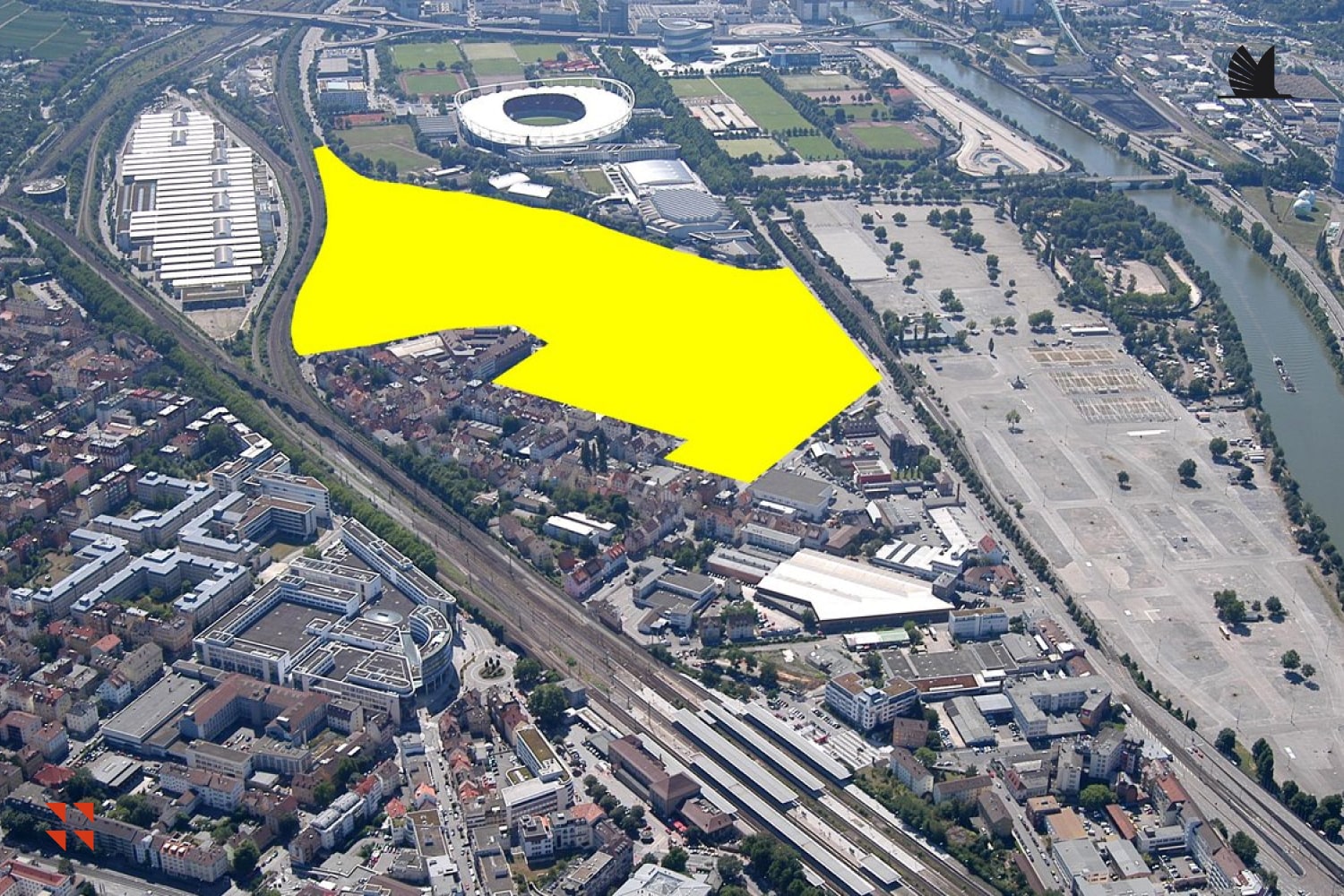
To ensure high efficiency of this approach, all buildings in the development area will comply with the KfW 55 energy-efficient house standard, which limits the consumption of primary energy to no more than 40 kWh/sqm per year. The combination of low energy consumption and utilization of wastewater heat creates an optimal, environmentally friendly, and economically sustainable heating system. The centralized heating system involves the use of a low-temperature heat distribution network (at or below 30°C) to minimize heat losses. The centralized hot water supply will be provided by a local district heating and power plant, and cascade heat pumps will be employed to heat the hot water up to 60°C.
Research has also confirmed that even during the coldest periods, the temperature of wastewater does not drop below 12°C. The volume of sewage flowing into the treatment facilities of Stuttgart amounts to 1300 liters per second, with a potential thermal capacity of nearly 11 MW, which can provide approximately 17 GW of heat throughout the year.
To extract heat from wastewater, two heat exchanger systems are utilized: integrated ones directly within the sewage channels and those positioned externally to the sewer pipes.
-min.jpg "Hajster-7")
During the initial phase, the decision was made to utilize an internal heat exchanger installed within the wastewater pipes. A heat exchanger with a capacity of 2100 kW was installed in the channel. One of the requirements for using the integrated heat exchanger is a high flow velocity of the wastewater to prevent blockages or enable their flushing if necessary. To achieve this, a minimum slope of 0.1% is required. In the summer, the potential of the wastewater will be utilized for cooling purposes in the facilities.


